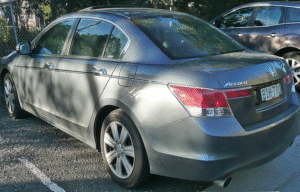
The 2008-2012 Honda Accord has two engine problems, not one
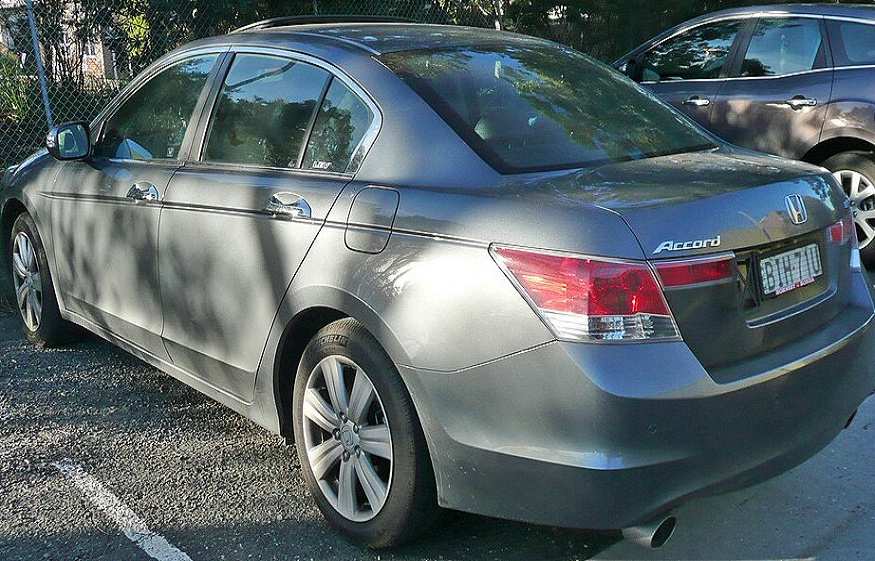
Here is an unpopular opinion among Honda fans: the eighth-generation Accord did not have one engine problem. It had two separate ones, on two separate engines, and mixing them up leads owners to the wrong fix.
The 2008-2012 Accord sold in huge numbers, so plenty are still daily drivers with 150,000 miles or more. If yours is burning oil or flashing a check engine light, it pays to know which story you are in before you spend a dollar.
Story one: the four-cylinder that drinks oil
Most of these cars use the 2.4-liter K24 four-cylinder. Some of them developed sticking piston rings that led to high oil consumption, and Honda extended warranty coverage on pistons and rings for 2008-2011 Accord four-cylinders to 8 years or 125,000 miles from the original purchase date. That window has closed for virtually every car on the road today.
So an owner now facing a quart every 1,000 miles has three options: live with topping up, pay for a ring job, or look at engines for the 2008-2012 Honda Accord and swap in a healthier unit. The ring job is labor-heavy. On a car this age, the replacement route is often cheaper and gets the car back faster.
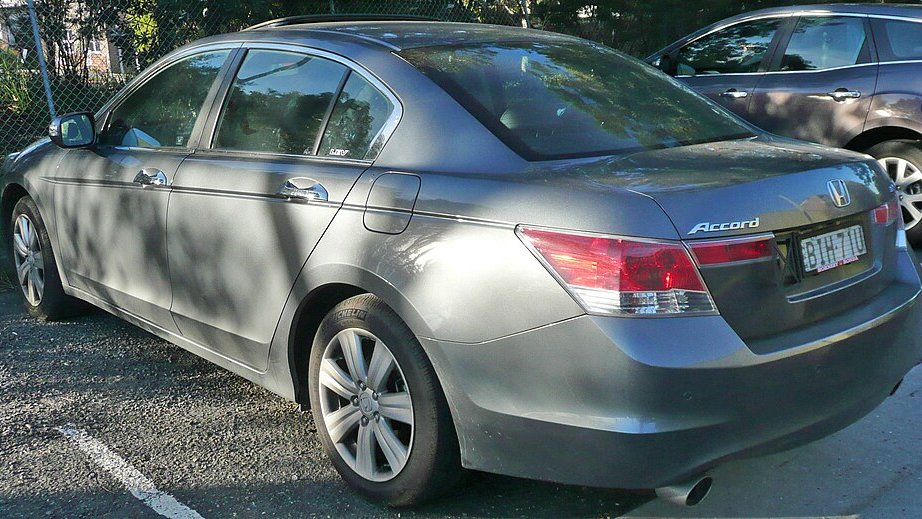
Story two: the V6 that fouls its plugs
The 3.5-liter V6 used Variable Cylinder Management, which shuts down cylinders under light load to save fuel. On some automatic-transmission cars, piston rings on certain cylinders could rotate and align, fouling spark plugs and setting misfire codes P0301 through P0304. A class action, Soto v. American Honda Motor Co., ended in a settlement and a powertrain warranty extension described in Honda’s service bulletin. The first fixes were software and new plugs; piston work came later for cars that kept misfiring.
Notice the difference. A four-cylinder burning oil with no misfires is a ring and wear problem. A V6 throwing P0303 is a VCM-related fouling problem that sometimes clears with plugs and sometimes does not. Treat them the same and you either overspend or chase a fix that will not hold.
Read More: Choosing the Best Location for Your Household Generator: A Guide
What a smart owner does first
- Pull the codes and note which cylinders they name.
- Measure oil consumption honestly over 1,000 miles, starting with a full dipstick.
- Get a compression and leak-down test. Two numbers beat ten forum threads.
- Check whether your VIN was ever covered and whether any work was done under the extension.
When replacement makes sense
If compression is low across several cylinders, or the engine has been run low on oil, no amount of new plugs will help. That is the point where a used engine with known mileage, installed with new mounts and fluids, usually beats a rebuild on cost. If the body is clean and the transmission shifts well, an eighth-generation Accord has plenty of life left in it. The engine just has to be the right one, matched by engine code and transmission type, not by year alone.
One last tip for V6 owners: ask the installer whether the replacement engine came from a car with the same transmission. Manual-transmission V6 Accords did without VCM, so engines and their computer setups are not freely interchangeable, and a mismatch is a headache you do not want after paying for the swap.
Read More: How F&I Training Can Help Dealerships Boost Profits and Customer Satisfaction
And for four-cylinder owners, keep a quart of the right oil in the trunk until the new engine has proven itself. Old habits from the oil-burning days are not a bad thing for the first few months.